News & Impact Stories

Stay informed about our projects, transparency reports, community initiatives, and the lives we've touched together.

Clean water project

New Borehole Drilling Project Brings Clean Water to Villages

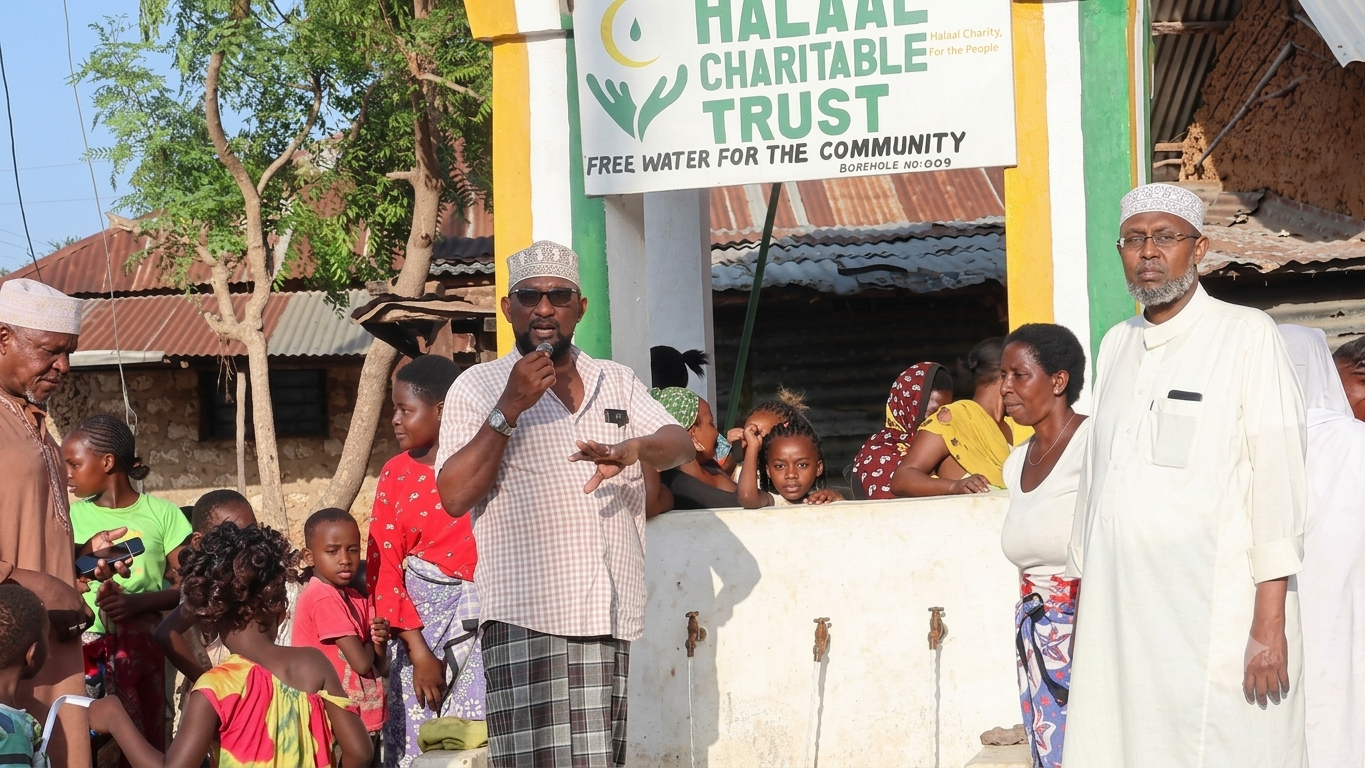
Access to clean, reliable water remains a critical challenge for many rural and peri-urban settlements. In response to this ongoing necessity, the Halaal Charitable Trust (also known as Halaal Charity) has been actively implementing a targeted community borehole program designed to provide sustainable water solutions to underserved regions. A milestone in this initiative was reached with the successful completion of the organization's ninth water well project, located in the Kwangare neighborhood of Mtomondoni village, within the larger Mtwapa area. Prior to the completion of this borehole, residents of the Kwangare area faced prolonged challenges related to water scarcity, relying on distant or unreliable sources for their daily household needs. The installation of the new well establishes an immediate, localized supply of clean water, directly benefiting an estimated 300 to 400 community members. Local families and mothers now have direct access to water for domestic use, significantly reducing the physical and financial burdens previously associated with sourcing water. The borehole program operated by the Halaal Charitable Trust relies closely on donor sponsorships and community cooperation. Within the framework of the project, these water wells are established as Sadaqah Jariyah—an Islamic concept representing a continuous or ongoing charity that provides lasting benefits to society. By framing water access as a shared humanitarian responsibility, the trust seeks to establish a replicable blueprint for regional development. The successful handover of the ninth well serves as a proof of concept as the Halaal Charitable Trust opens doors for further partnerships with individual sponsors and organizations to expand the clean water network to surrounding villages.

Read More →
Orphan scholarship program

ORPHAN VISITS

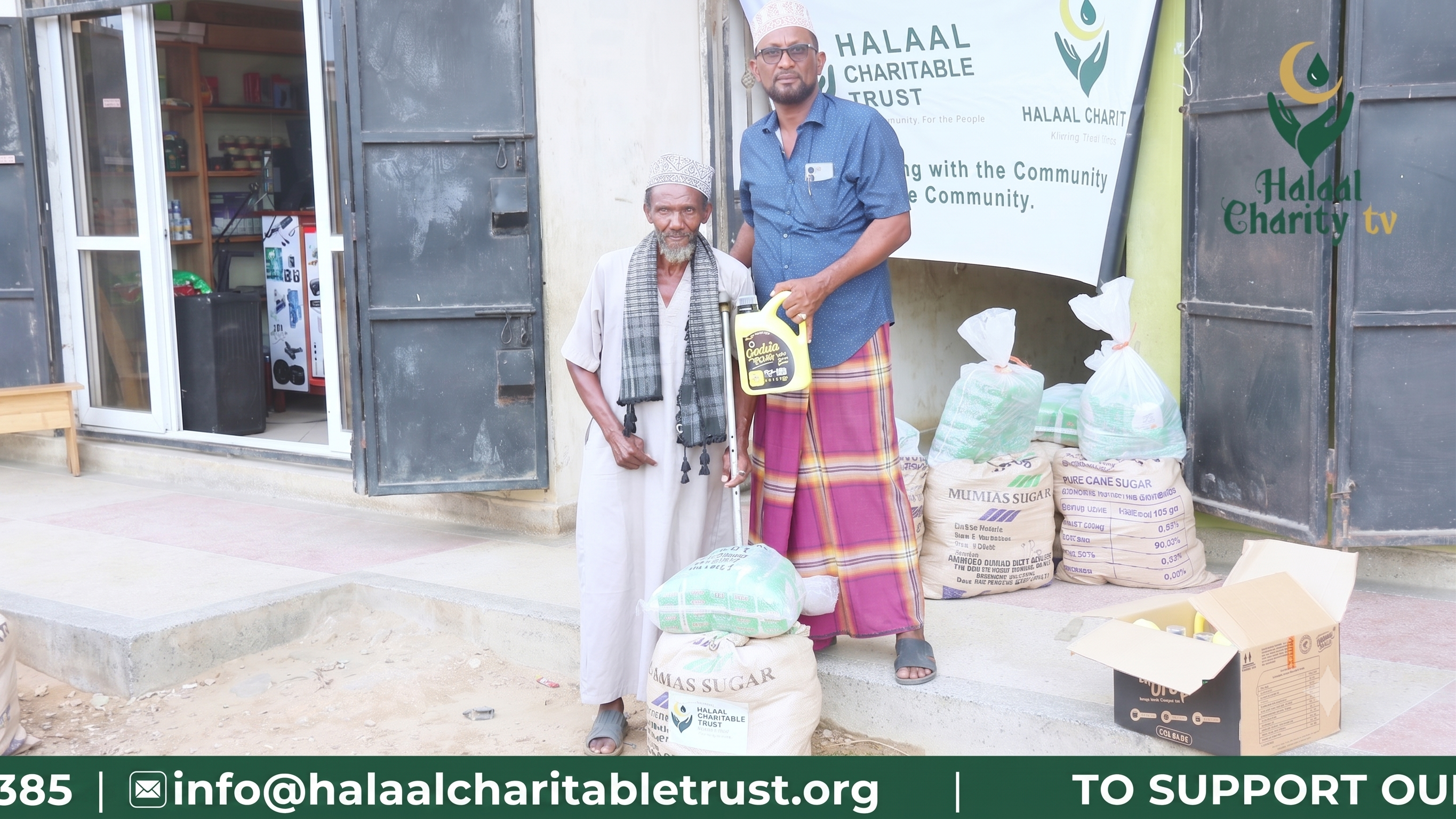
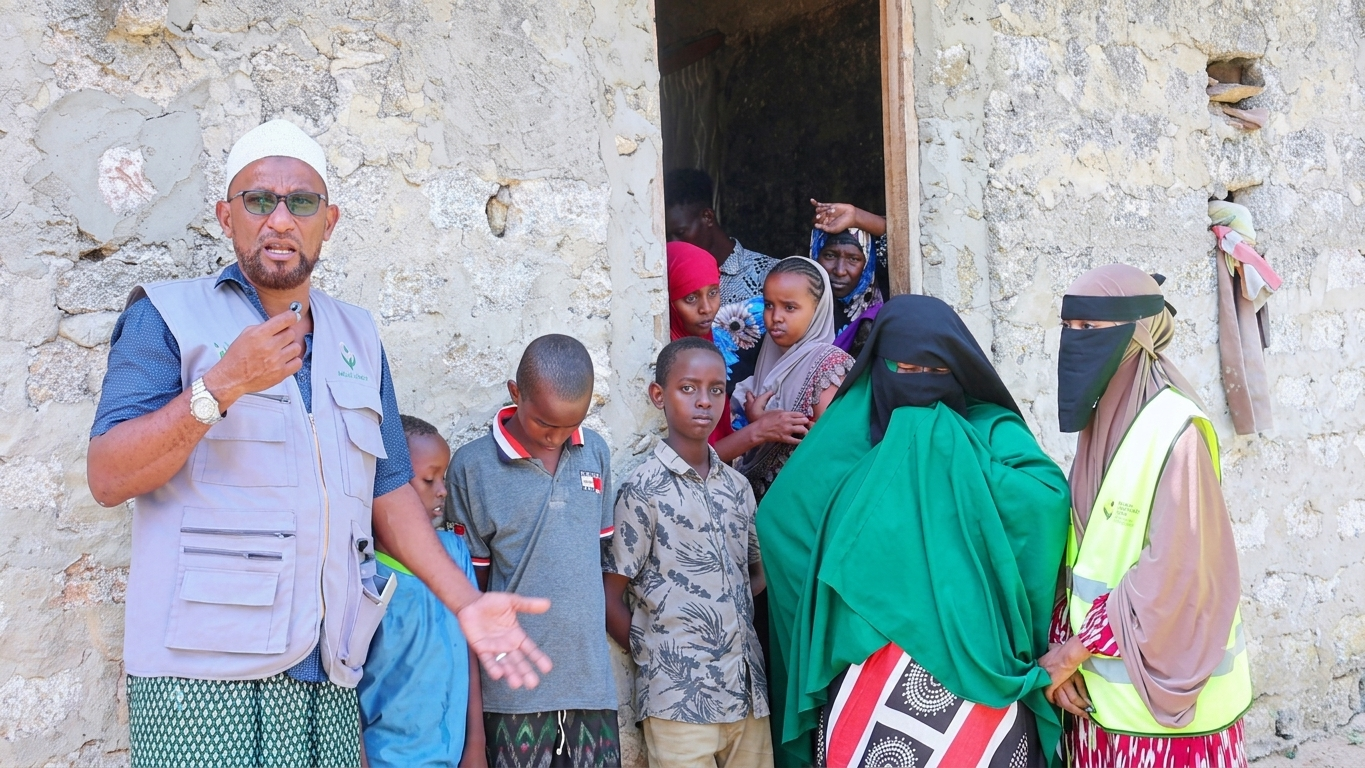
Sustaining vulnerable households and ensuring long-term welfare for children who have lost their primary providers is a significant challenge across peri-urban communities. To address these critical economic gaps, the Halaal Charitable Trust operates an Orphan Care and Support Program tailored to provide structured relief to families navigating long-term hardship. A central focus of this humanitarian initiative is anchored in Mokoe, a town located within Lamu County, Kenya, where the trust actively manages a structured assistance network for regional households. The core operational milestone of the program involves the distribution of regular, monthly food aid to registered households. Families caring for between two and eight orphans are supplied with nutritional resources on a consistent basis each month. This structured approach directly alleviates immediate food insecurity for the beneficiaries, providing a reliable safety net for guardians who otherwise rely on casual labor—such as providing local laundry services—to maintain their households. While the monthly food distribution provides essential short-term relief, the ongoing administration of the program illuminates multi-faceted development demands required to foster long-term independence. Comprehensive feedback and operational data gathered from the field highlight critical gaps that the Halaal Charitable Trust looks to address in future expansions, including: Educational Deficits: Many guardians encounter consistent barriers keeping children enrolled in schools due to a lack of institutional funds for regular school fees, uniforms, and textbooks. Infrastructural Vulnerability: Families frequently reside in temporary or rental accommodations that suffer from severe deterioration, pooling water, or partial collapse during heavy rain seasons. Medical and Public Utilities: Beneficiaries often deal with systemic local challenges, including restricted immediate access to healthcare services and localized clean water shortages. The Orphan Care and Support Program is built on Islamic philanthropic principles that emphasize the collective societal duty of protecting and honoring vulnerable youth. By operating an active administrative presence on the ground, the trust facilitates a direct bridge between philanthropic sponsorship and vulnerable rural populations. The Halaal Charitable Trust continues to manage its field networks in Lamu County while actively opening avenues for new collaborative partnerships and sponsorships to systematically scale the initiative from food security toward sustainable educational funding, housing construction, and infrastructural development.

Read More →
youth empowerment

Youth Empowerment and Community Unity

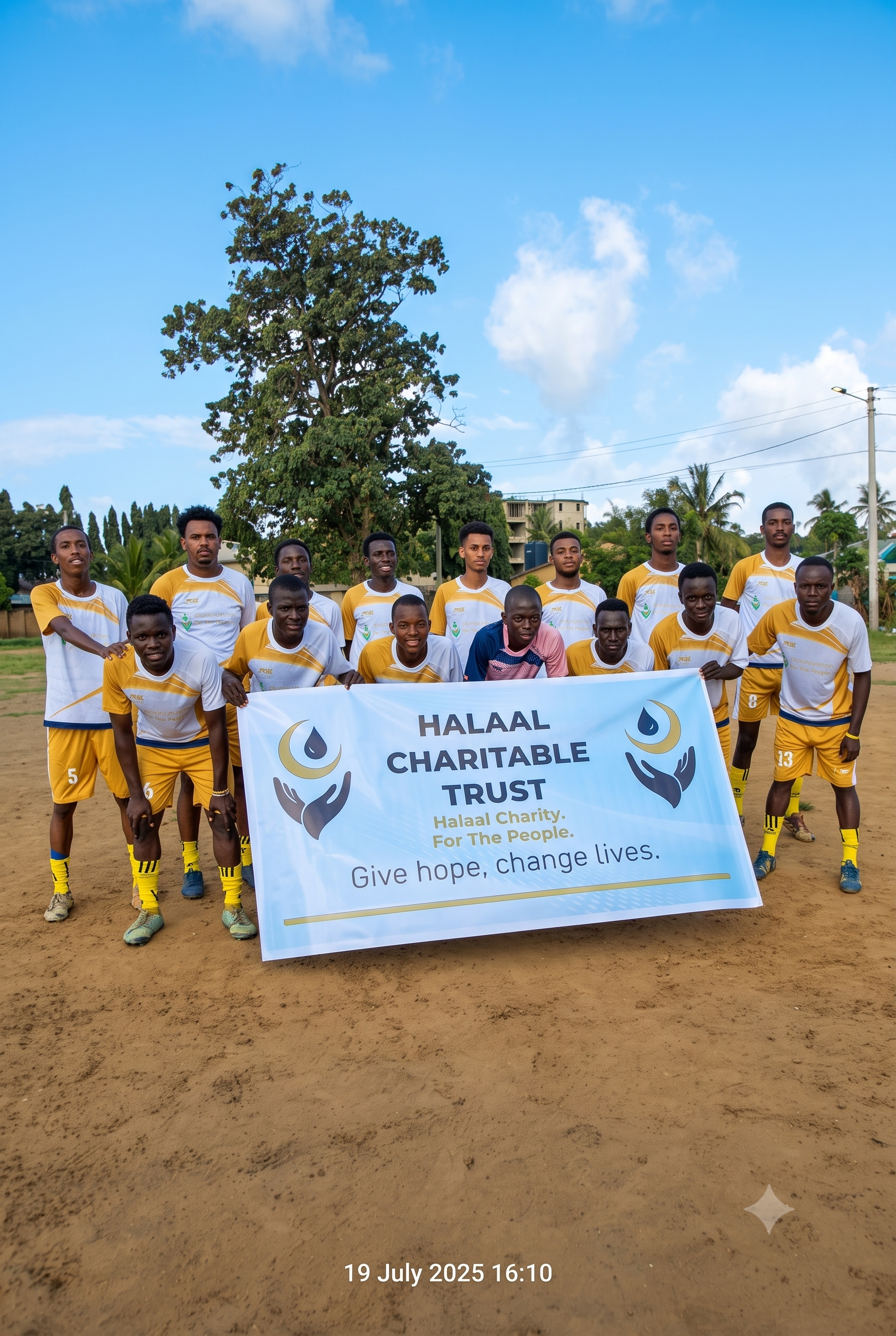
Creating constructive avenues for youth engagement is vital for fostering community integration and mitigating anti-social behaviors such as substance abuse. To address these societal goals, the Mtwapa Premier League operates a localized sports platform in Kilifi County, Kenya, designed to nurture athletic talent and unite the community.As part of its expanding corporate social responsibility (CSR) portfolio, the Halaal Charitable Trust (alongside its media wing, Halaal Charity TV) stepped forward as an official sponsor for the league's fourth edition, providing crucial resource backings to enhance the tournament's scale and impact.Raising Competitive Standards Through Coordinated SponsorshipsThe fourth edition of the Mtwapa Premier League marked a major milestone in organizational quality, driven by targeted support from a diverse assembly of charity networks, public figures, and corporate partners. The financial and structural contributions for this season included:Halaal Charitable Trust: Funded the procurement of high-value official trophies and provided cash prizes dedicated to celebrating tournament standouts, including the league's top scorer and best goalkeeper.Community Figures and Leadership: Regional political and community leaders, including Mama Aisha Jumwa and Mama Sophie Kombe, provided critical logistics support, direct financial aid for championship prizes, and venue infrastructure such as seating arrangements.Corporate and Institutional Partners: Businesses like Mombasa Cement (via the Sahajanand Institute) and Travelers Beach Hotel supplied vital event refreshments, water, and initial sports equipment.The competitive cycle concluded with team Fuhua FC securing the championship title in a tightly contested final against the defending champions, Travelers FC.Mitigating Social Challenges and Enhancing EmploymentThe underlying structure of the league functions as an active social intervention program. By establishing disciplined training schedules and competitive matches across 25 local teams, the initiative keeps regional youth productively occupied, steering them away from local street gathering spots (maskani or vijiwe) and subverting exposure to crime or drug abuse.Beyond health and recreational benefits, the tournament has evolved into an informal employment network. Local partner institutions—including local secondary schools and corporate sponsors like Travelers Beach Hotel—actively recruit standout players from the tournament, providing them with stable jobs that enable them to support their families.Future Development and Strategic ScalingThe leadership committee of the Mtwapa Premier League aims to elevate future editions into a high-stakes, well-equipped tournament modeled after premier regional cups. Strategic plans for the upcoming fifth edition focus on scouting a singular composite team to offer local talent exposure in larger competitive circuits in Nairobi and Dar es Salaam.Additionally, organizers are laying structural foundations to expand the sports program by launching dedicated women's divisions, including the Ufuoni Ladies Premier, alongside structured Under-13 and Under-15 youth development leagues.

Read More →
Food distribution

The Ramadhan Iftar Food Distribution Program

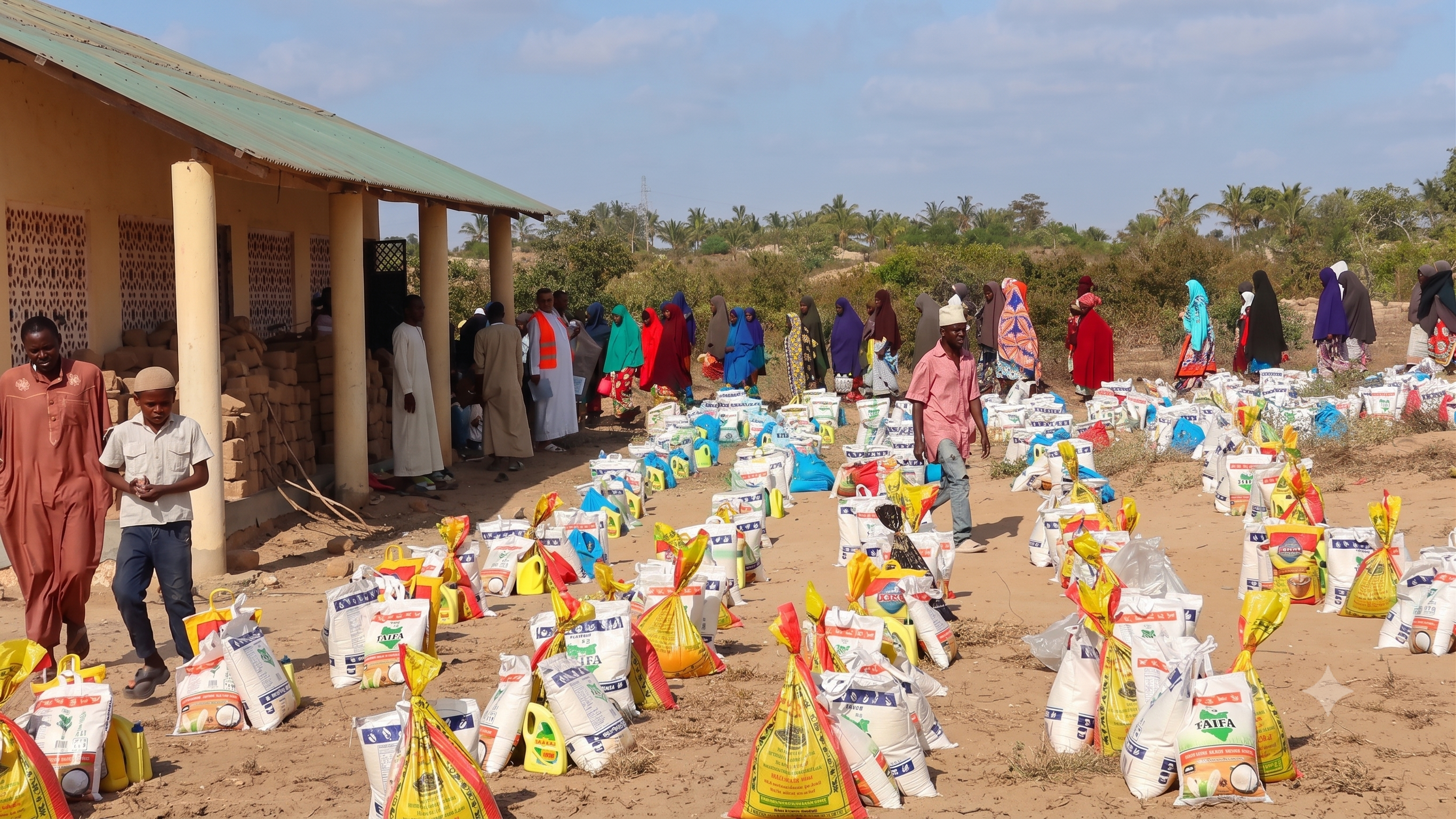
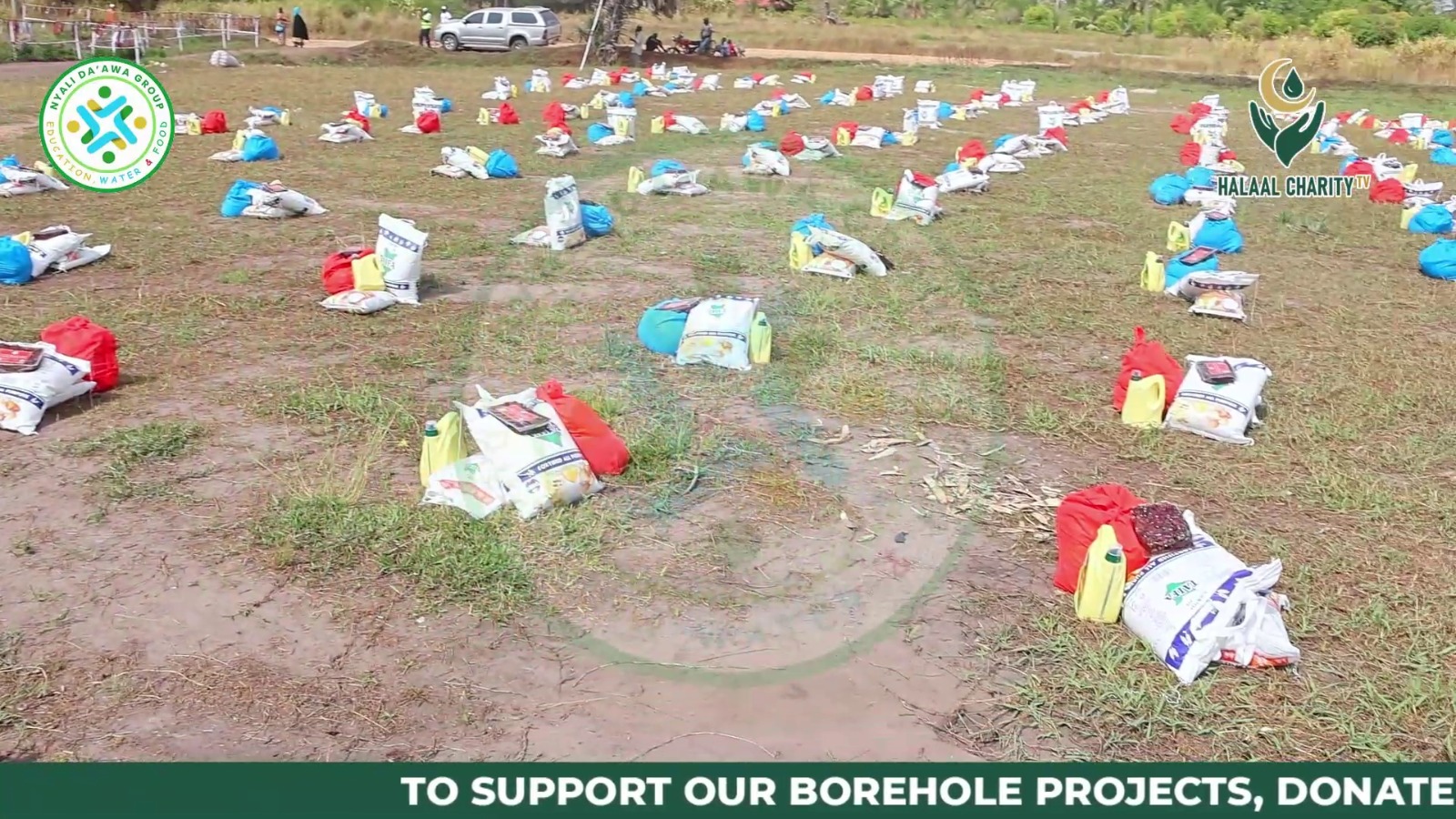
Ensuring food security for vulnerable households during periods of religious significance is a cornerstone of regional welfare initiatives. To address seasonal nutritional shortfalls, the Halaal Charitable Trust operates a structured Ramadhan Iftar Distribution Program designed to provide essential sustenance to families in need. A prominent milestone in this ongoing humanitarian effort includes the coordinated distribution drive conducted for the 2026 Ramadhan season. The implementation of the food security drive relies on collaborative financing and product sourcing between local non-profits and corporate philanthropic wings. For the 2026 distribution cycle, the initiative was sponsored by the GAB Foundation (the charitable wing of Gulf African Bank). Through this corporate-NGO partnership, the Halaal Charitable Trust managed the logistics and localized allocation of bulk food items, ensuring transparent deployment of corporate social responsibility (CSR) assets directly to community members. The program manages the allocation of heavy food packages tailored to sustain household requirements during the fasting month. Rather than offering prepared singular meals, the trust distributes dry goods and essential pantry items, which typically include: Storage-stable grains and carbohydrates to fortify basic caloric needs. Essential cooking ingredients designed to help families prepare their morning (Suhoor) and evening (Iftar) meals domestically. By delivering provisions directly to registered beneficiaries, the project stabilizes localized food prices and relieves families of financial stress during a sacred period of worship. Partnership Outlook and Future Sustainability The Ramadhan food drive functions within an operational framework aimed at establishing long-term corporate relationships. The successful completion of the distribution cycle serves as a foundational step toward a permanent annual alliance between the Halaal Charitable Trust and the GAB Foundation. To expand the geographic coverage of the food security safety net in upcoming seasons, the trust actively opens organizational pathways for other external banking entities, corporations, and independent donors to collaborate on shared distribution networks.

Read More →
instituitonal collaboration

Institutional Collaboration at Halaal Charitable Trust

Maximizing the reach and efficacy of humanitarian programs requires structured cooperation between civil society groups, community networks, and non-profit entities. For the Halaal Charitable Trust (and its media platform, Halaal Charity TV), strategic institutional collaboration forms the core of its outreach operations across rural regions in coastal Kenya, such as the Bamba division in Kilifi County.By pulling resources and coordinating fieldwork alongside external organizations, the trust systematically targets remote areas that face geographical and economic isolation.Coordinated Field Architecture: The Nyali Da'awah Group PartnershipA primary model of the trust's collaborative approach is its sustained field partnerships with external faith-based and community networks, notably the Nyali Da'awah Group. In these combined operations, the division of responsibilities enables a more wide-reaching logistical impact:Regional Mapping and Local Mobilization: Partner networks leverage their established relationships with local structures—such as localized mosques, community centers, and village elders—to run population censuses and map underserved pockets.Logistical Scaling: In combined operations across rural sectors like Mariango and Bamba, this framework has successfully mobilized distribution pipelines across more than 14 distinct villages simultaneously (including sectors like Kabelengane, Mnagoni, Kazangani, and Virapani).Mass Resource Allocation: Working in tandem allows the organizations to scale singular field operations to manage complex distributions serving between 300 and upwards of 1,100 beneficiaries in a single multi-village drive.Localized Infrastructure IntegrationThe trust's collaborative framework extends beyond national or regional non-profits to directly absorb community-level infrastructure. Operations are systematically routed through independent mosques and community hubs (such as Markaz Aisha).By integrating village-level institutions into the planning matrix, the trust ensures that regional distributions are securely monitored, accurately documented, and distributed impartially based on vetted community registries provided by local administrators.Promoting Civic Engagement and Long-Term SustainabilityThe Halaal Charitable Trust frames its multi-organizational networks as an essential vehicle for shared corporate and community responsibility. Combining forces with independent donors, volunteer groups, and entities like the Nyali Da'awah Group allows the trust to lower overhead administrative costs and focus assets directly on field supplies.Looking forward, the trust continues to position its collaborative infrastructure as an open-access platform, actively inviting international aid organizations, corporate foundations, and regional civil bodies to integrate into their established logistics network to systematically expand rural healthcare, education, and development programs.

Read More →
Health workshop

Disability Support Programs by Halaal Charitable Trust

A robust and compassionate humanitarian framework is defined by its commitment to ensuring that no segment of society is left behind. Beyond its extensive work in clean water infrastructure, youth sports development, and seasonal food security, the Halaal Charitable Trust (along with its broadcasting arm, Halaal Charity TV) features a dedicated portfolio focused on supporting individuals living with physical disabilities. By actively dismantling the physical, logistical, and economic barriers that impact disabled individuals and their families, the trust fosters a more inclusive, equitable community.Through its media arm, Halaal Charity TV, the trust complements its physical relief operations with robust social advocacy. The platform regularly produces features highlighting the lives, challenges, and achievements of physically disabled individuals. By elevating these narratives, the trust actively works to dismantle regional social stigmas, raise public awareness, and challenge local institutions and businesses to create more accessible environments and equal opportunities. Through this multi-dimensional approach—combining mobility assets, accessible community design, economic safety nets, and public advocacy—the Halaal Charitable Trust continues to build a community infrastructure where every individual, regardless of physical capability, can thrive with dignity.

Read More →
Community gathering

The Strategic Role of Mentorship in Contemporary Institutional Leadership

True influence is not measured by immediate popularity, but by the deliberate cultivation of the next generation of leaders. Within the landscape of social entrepreneurship and community development, structural mentorship serves as the vital bridge between current success and sustainable future progress. Breaking the Cycle of Echo Chambers A common pitfall within community development is the tendency to consistently rely on the same established figures year after year. Without active mentorship frameworks, institutions risk stagnating into an echo chamber. True mentorship aggressively disrupts this cycle by: Identifying Ground-Level Talent: Proactively scouting and elevating individuals who are making massive impacts silently in offices, mosques, and neighborhoods, rather than just those visible on social media. Capacity Building: Actively training emerging minds in core executive pillars such as technical competence, leadership frameworks, and strategic communication. Expanding Future Spotlight Options: Nurturing a broader, more robust talent pool so that community representation naturally expands and evolves over the decade. The Blueprint of Multi-Dimensional Mentorship Effective mentorship demands looking back at historical and historical-spiritual models to learn how to excel across diverse life spaces simultaneously—including business, leadership, family, and philanthropy. For young leaders and creators starting out against intense industry backlash or criticism, having access to seasoned advisors and trusted mentors provides the psychological and strategic resilience needed to stay the course. Ultimately, the goal of structured mentorship within any progressive institution is to pass down refined technical skills and values, ensuring the world is left distinctly more empowered for the generations coming behind.

Read More →
Partnership

Facilitating Social Stability: Community Project Sponsorship by Halaal Charitable Trust

A core element of sustainable community development involves supporting essential social institutions that foster regional stability and collective well-being. Beyond its established operations in clean water infrastructure, seasonal food security, and youth sports development, the Halaal Charitable Trust (along with its media arm, Halaal Charity TV) utilizes its collaborative framework to sponsor high-impact social initiatives, including community mass wedding programs. By backing these meaningful community events, the trust directly addresses the economic and social barriers that often prevent individuals from achieving vital life milestones. Relieving Financial Barriers to Social Milestones Organizing traditional weddings often introduces severe financial strain on young couples and low-income families, occasionally causing people to delay or forego essential legal and marital foundations due to a lack of individual funds. The Halaal Charitable Trusts sponsorship structure directly absorbs these prohibitive costs by managing the core logistical, administrative, and venue requirements of a mass ceremony. This intervention provides a dignified, collective platform that allows multiple couples to establish legal and familial frameworks simultaneously, without incurring long-term household debt. The sponsorship of mass weddings aligns with the trusts broader strategy of executing corporate social responsibility (CSR) programs that strengthen community unity. Much like the organization's youth sports league partnerships, these communal events promote a culture of mutual support and integration across diverse neighborhoods. Bringing families together for shared milestones cultivates long-term relationships and establishes a localized support network among the participating households. The execution of complex social programs relies heavily on the trusts ability to coordinate with regional administrators, local volunteers, and philanthropic networks. By integrating grassroots organizational structures into its planning matrix, the Halaal Charitable Trust minimizes administrative overhead and ensures resources are distributed efficiently. Through its ongoing sponsorship portfolio—spanning critical infrastructure, basic relief, and vital social ceremonies—the trust continues to provide an open-access platform for corporate sponsors and independent donors looking to invest directly in the holistic development of coastal Kenyan communities.

Read More →
Fundraising gala

Broadcasting Faith and Unity Through Halaal Charity TV

In the modern media landscape, digital broadcasting serves as a powerful vehicle for education, community alignment, and social development. Recognizing this potential, Halaal Charity TV—the media arm of the Halaal Charitable Trust—has developed a structured Da'awah (faith-related educational) programming framework. By inviting diverse Islamic religious figures and scholars from across Kenya, the platform produces and broadcasts high-quality content designed to guide, educate, and unite the regional Muslim community. Halaal Charity TV functions as a centralized, open-access forum that brings together prominent and emerging Islamic scholars, imams, and teachers from different counties and cultural backgrounds across Kenya. Rather than limiting its scope to localized perspectives, the station actively collaborates with external faith networks, such as the Nyali Da'awah Group, to introduce varied teaching voices to its audience. By hosting these religious figures, the channel ensures that the community has direct access to well-vetted, classical Islamic knowledge, covering essential theological frameworks, spiritual rectitude, and contemporary jurisprudence. Core Programming Themes and Social Impact The Da'awah broadcasts run by Halaal Charity TV systematically bridge the gap between religious principles and daily practical living. Visiting scholars utilize the platform to address foundational pillars of the Islamic faith while speaking directly to pressing societal challenges. Key thematic areas of the broadcast portfolio include: Foundations of Faith (Aqeedah): Programs frequently break down the core pillars of Islam and the concept of Tawheed (the oneness of God), steering the community away from practices that compromise orthodox belief. Spiritual Accountability and Worship: Invited guests deliver extensive lectures on the spiritual significance of seasonal rituals—such as fasting, prayer, and consistency in charity—reminding viewers of their obligations toward the Creator and fellow human beings. Social and Family Stability: Scholars provide direct counsel on marriage, parenting, rights of the vulnerable (such as orphans), and maintaining moral uprightness among the youth. A primary objective of inviting religious figures from across the country is to build a cohesive sense of Islamic brotherhood (Ukhuwwah). Scholars use the platform to emphasize that regardless of geographic or tribal differences, the Muslim population is anchored under a single shared faith. Furthermore, this institutional media approach provides a necessary safeguard against extreme or unvetted interpretations of religion. By placing mainstream, highly respected Kenyan scholars in the spotlight, Halaal Charity TV promotes a balanced, compassionate, and community-oriented understanding of Islam, explicitly advocating for peace, personal value, and community service. On a broader operational level, the Da'awah programs broadcasted on Halaal Charity TV do not exist in isolation; they are deeply integrated with the Halaal Charitable Trust's field operations. Media broadcasts of scholar lectures are frequently filmed alongside community borehole handovers, orphan care check-ins, and seasonal distributions. This pairing reinforces the fundamental message of the invited religious figures: that true faith must manifest as active, tangible mercy and support for the weakest members of human society.

Read More →